Work

API, builder, and mobile surfaces that stay structurally aligned.

The work spans backend contracts, operator tooling, and mobile experience design. The constant is keeping each surface legible without flattening them into the same product shell.

Working surfaces

01

API surface

The backend layer carries a lot of structural responsibility: relation includes, version-aware filtering, and model-specific constraints that let the product move without controllers turning into switchboards.

02

Builder surface

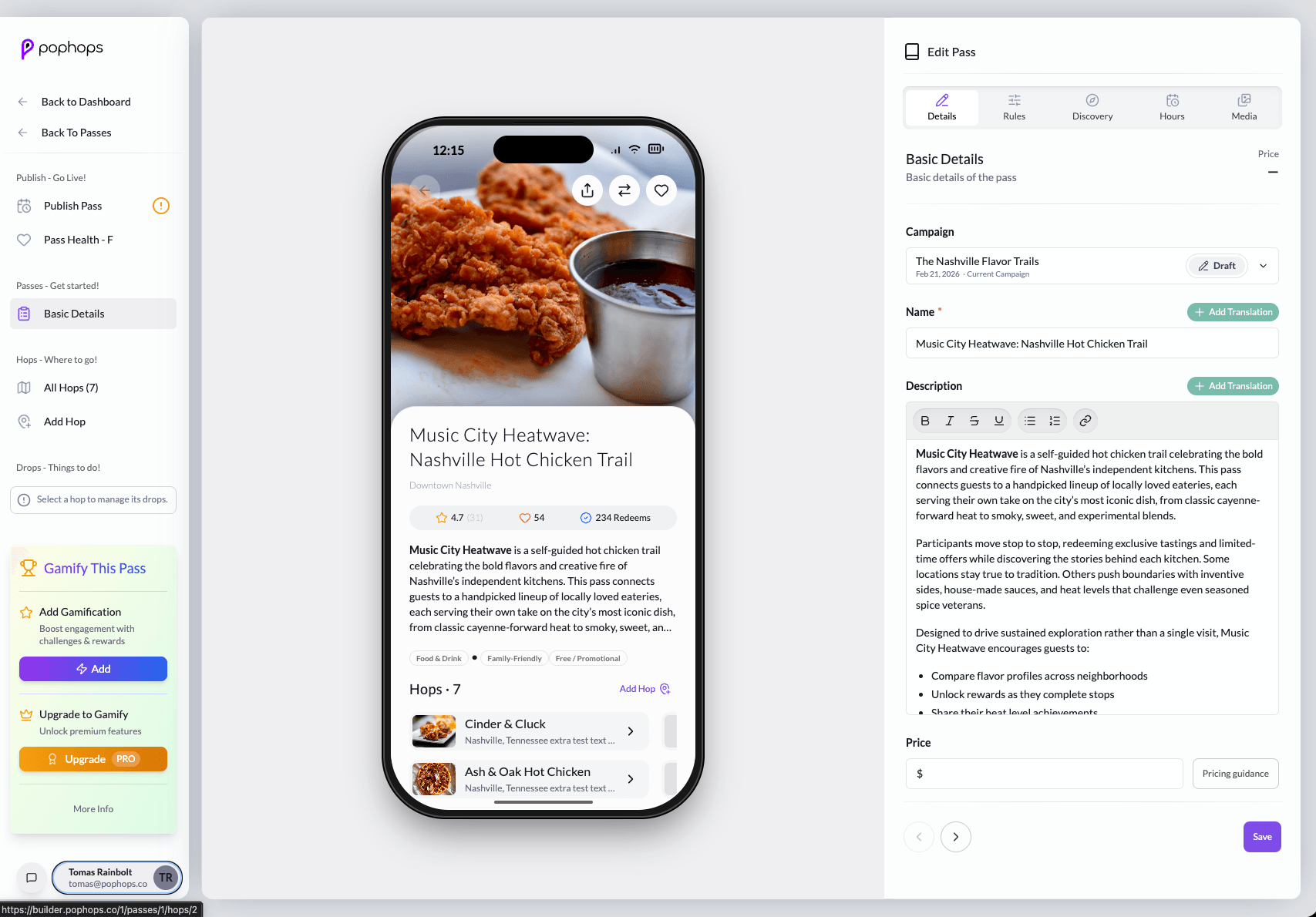
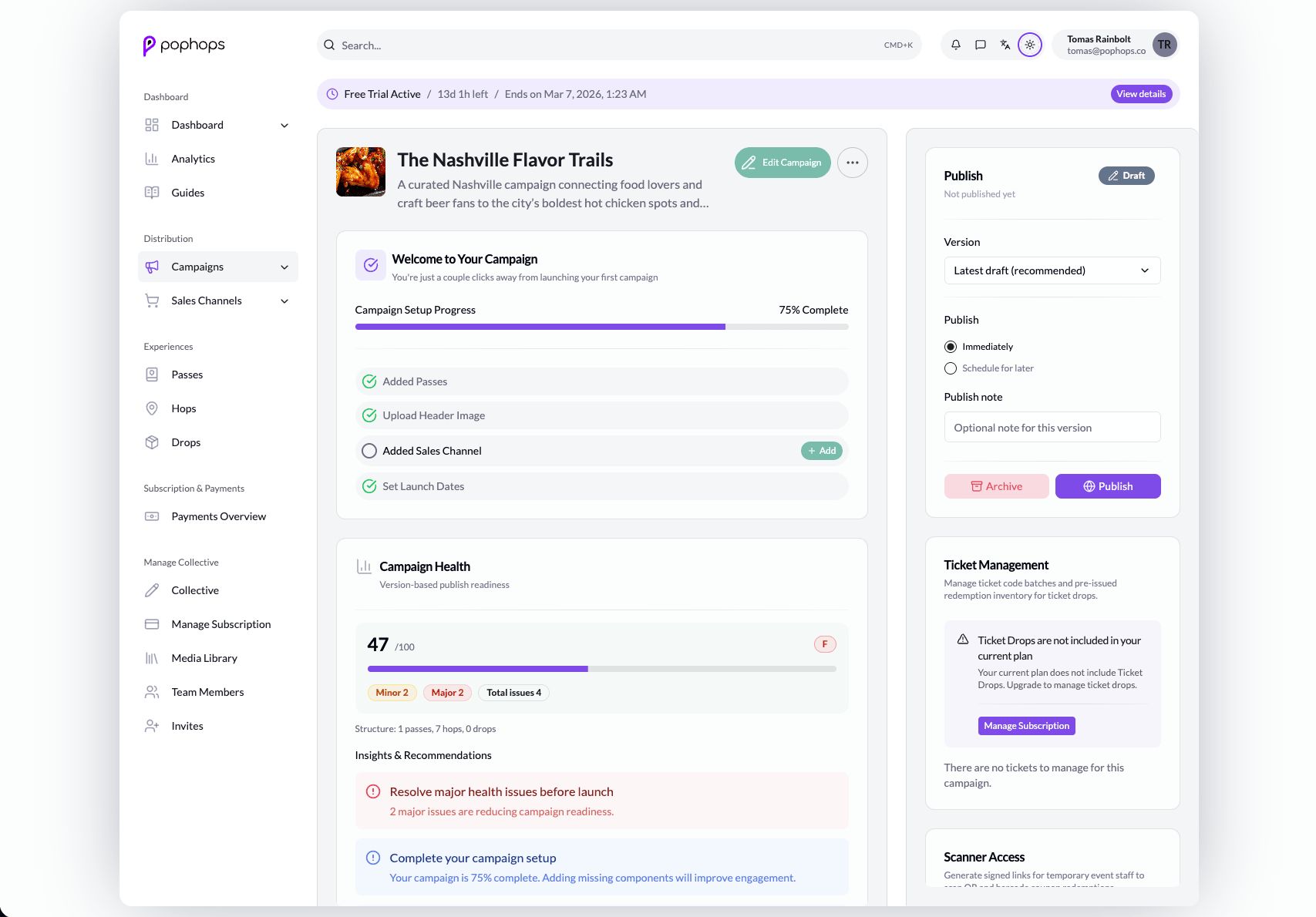
The builder surface has to be fast for operators while still guarding routes, preserving intent, and keeping configuration-heavy product areas coherent as passes, drops, and campaigns expand.

03

Mobile surface

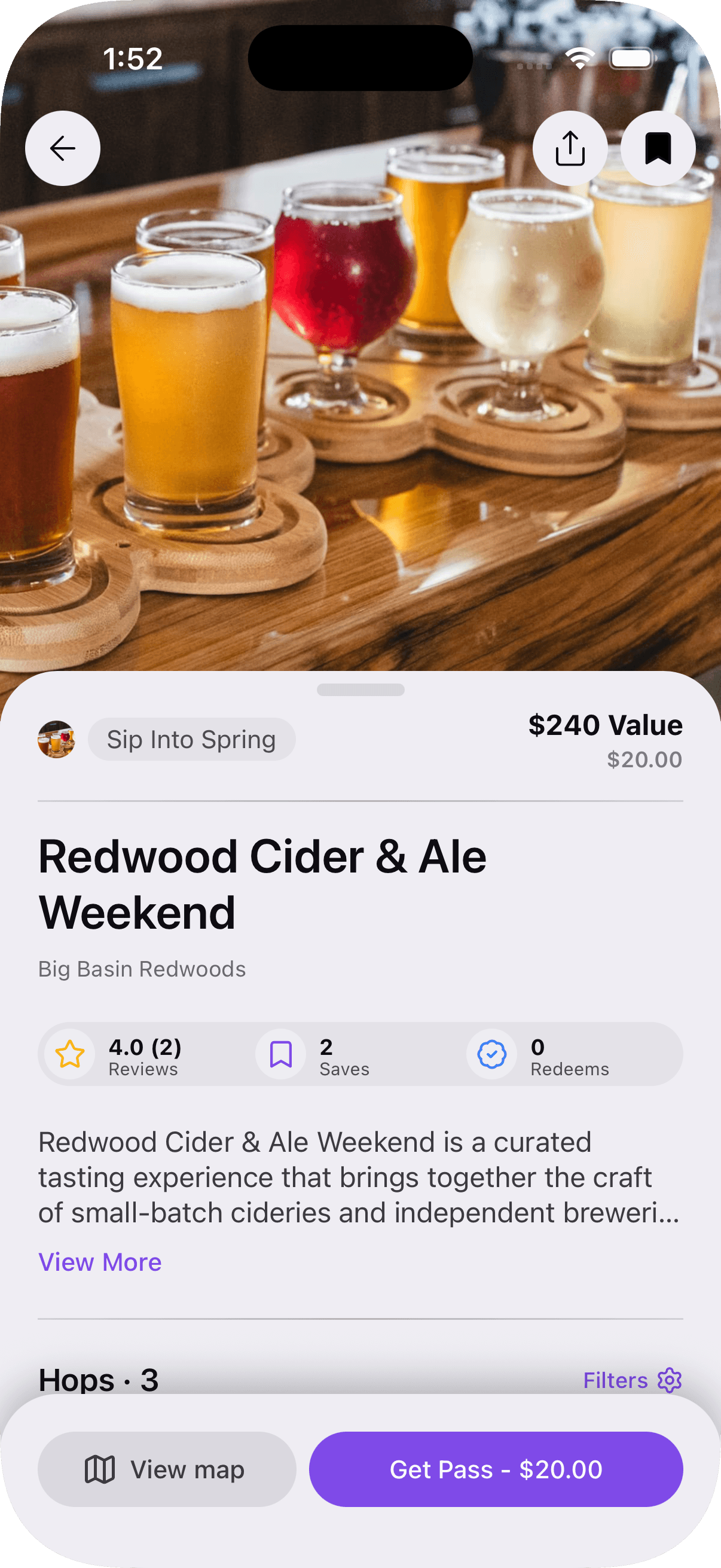
On mobile, the work is less about copying desktop patterns and more about shaping permission gates, runtime edge cases, and action flows so the product feels intentional on the device itself.

API surface

01

API contracts that keep nested product data readable.

The backend layer carries a lot of structural responsibility: relation includes, version-aware filtering, and model-specific constraints that let the product move without controllers turning into switchboards.

Include parsing

Accepting nested include paths and turning them into eager loads without leaking relation syntax through the whole app.

Constraint mapping

Keeping model-level handlers declarative so includes can stay flexible without becoming unsafe or bespoke.

Status logic

Normalizing live, draft, scheduled, and archived behavior so data rules stay consistent across clients.

Code sample

Declarative eager-loading with per-relation constraints

PHP / LaravelCurated sample
<?php

final class IncludeManager
{
    public static function apply(Builder $query, array $requested, array $allowed): Builder
    {
        $with = [];

        foreach ($requested as $path) {
            $directive = self::parseDirective($path);

            if ($directive === null || ! array_key_exists($directive->relation, $allowed)) {
                continue;
            }

            $config = is_array($allowed[$directive->relation]) ? $allowed[$directive->relation] : [];

            $with[$directive->relation] = self::buildEagerLoad($directive, $config);
        }

        return $with === [] ? $query : $query->with($with);
    }

    private static function parseDirective(string $path): ?IncludeDirective
    {
        [$relation, $constraint] = array_pad(explode(':', trim($path), 2), 2, null);

        if ($relation === '') {
            return null;
        }

        return new IncludeDirective($relation, $constraint);
    }

    private static function buildEagerLoad(IncludeDirective $directive, array $config): string|Closure
    {
        if ($directive->constraint === null) {
            return $directive->relation;
        }

        $constraints = self::constraintsFor($config);

        return static function (Builder $relationQuery) use ($directive, $constraints): void {
            $handler = $constraints[$directive->constraint] ?? null;

            if (! is_callable($handler)) {
                return;
            }

            $handler($relationQuery);
        };
    }

    private static function constraintsFor(array $config): array
    {
        $constraints = $config['constraints'] ?? [];

        return is_array($constraints) ? $constraints : [];
    }
}

final readonly class IncludeDirective
{
    public function __construct(
        public string $relation,
        public ?string $constraint,
    ) {
    }
}

Sample basis: Adapted from the API include layer used to keep eager-loading and relation constraints readable at the query boundary.

Production layer: The production version also handles nested relation paths, per-model constraint maps, and status-aware filtering logic.

Builder surface

02

Builder workflows that stay strict under operational depth.

The builder surface has to be fast for operators while still guarding routes, preserving intent, and keeping configuration-heavy product areas coherent as passes, drops, and campaigns expand.

Route protection

Authentication and verification gates need to redirect safely without losing where the operator was trying to go.

Configuration UX

Dense editing flows need hierarchy, recoverability, and structure rather than just more controls on the screen.

Shared state

Builder behavior has to align with the API contract so operational tooling stays predictable across routes and forms.

Code sample

Protected routes with safe return-to handling

React + TypeScriptCurated sample
type AuthUser = {
  email: string | null;
  emailVerifiedAt: string | null;
};

type AuthState = {
  isAuthenticated: boolean;
  isAuthenticating: boolean;
  user: AuthUser | null;
};

const AUTHENTICATED_PREFIXES = ['/campaigns', '/passes', '/drops', '/settings'] as const;

export const ProtectedRoutes = () => {
  const { isAuthenticated, isAuthenticating, user } = useAuthContext();
  const location = useLocation();
  const state = getProtectedRouteState(
    { isAuthenticated, isAuthenticating, user },
    location.pathname,
    location.search
  );

  if (state.kind === 'loading') {
    return <FullScreenState label={state.label} />;
  }

  if (state.kind === 'redirect') {
    return <Navigate to={state.target} replace />;
  }

  return <Outlet />;
};

function getProtectedRouteState(auth: AuthState, pathname: string, search: string) {
  const returnTo = getSafeReturnTo(`${pathname}${search}`);

  if (auth.isAuthenticating) {
    return { kind: 'loading', label: 'Checking access…' } as const;
  }

  if (!auth.isAuthenticated) {
    return { kind: 'redirect', target: buildLoginTarget(returnTo) } as const;
  }

  if (needsEmailVerification(auth.user, pathname)) {
    return {
      kind: 'redirect',
      target: buildVerifyTarget(auth.user?.email ?? null, returnTo)
    } as const;
  }

  return { kind: 'allow' } as const;
}

function buildLoginTarget(returnTo: string) {
  return {
    pathname: '/login',
    search: returnTo && returnTo !== '/' ? `?returnTo=${encodeReturnTo(returnTo)}` : ''
  };
}

function buildVerifyTarget(email: string | null, returnTo: string) {
  const params = new URLSearchParams();

  if (email) {
    params.set('email', email);
  }

  if (returnTo && returnTo !== '/') {
    params.set('returnTo', encodeReturnTo(returnTo));
  }

  return {
    pathname: '/verify-email',
    search: `?${params.toString()}`
  };
}

function needsEmailVerification(user: AuthUser | null, pathname: string) {
  return Boolean(user && !user.emailVerifiedAt && !pathname.startsWith('/verify-email'));
}

function getSafeReturnTo(candidate: string) {
  const value = candidate || '/';

  if (!value.startsWith('/')) {
    return '/';
  }

  const [pathname, search = ''] = value.split('?');

  if (!AUTHENTICATED_PREFIXES.some((prefix) => pathname === prefix || pathname.startsWith(`${prefix}/`))) {
    return '/';
  }

  return search ? `${pathname}?${search}` : pathname;
}

function encodeReturnTo(value: string) {
  return encodeURIComponent(value);
}

function FullScreenState({ label }: { label: string }) {
  return (
    <div className="flex min-h-screen items-center justify-center px-6">
      <div className="rounded-full border border-slate-200 bg-white px-4 py-2 text-sm font-medium text-slate-600">
        {label}
      </div>
    </div>
  );
}

Sample basis: Adapted from the builder/admin route guard that protects configuration flows while preserving operator context.

Production layer: The production version also coordinates auth state, safe redirect rules, and route-level verification checks across the admin app.

Selected builder screens

Mobile surface

03

Mobile flows that respond to device state and user intent.

On mobile, the work is less about copying desktop patterns and more about shaping permission gates, runtime edge cases, and action flows so the product feels intentional on the device itself.

Permission flows

The UI needs to explain, request, retry, and recover gracefully instead of treating OS prompts like a single boolean.

User journey

Discovery, participation, and follow-through have to stay connected even when the product spans multiple campaign states.

Runtime feedback

Mobile work depends on deriving the right UI from snapshots, service responses, and device capability rather than static screens.

Code sample

Permission state derived from a normalized snapshot

React Native + TypeScriptCurated sample
type PermissionStatus = 'prompt' | 'limited' | 'granted' | 'denied';
type PermissionVariant = 'none' | 'request' | 'limited' | 'blocked';

type PermissionSnapshot = {
  status: PermissionStatus;
  canAskAgain: boolean;
};

export function usePermissionFlow(
  key: PermissionType,
  options?: UsePermissionFlowOptions
): UsePermissionFlowResult {
  const snapshot = usePermissionSnapshot(key);
  const { refreshPermission, setSnapshot } = usePermissionsActions();
  const hasBeenDenied = previouslyDenied[key] === true;

  React.useEffect(() => {
    if (snapshot.status === 'denied') {
      previouslyDenied[key] = true;
    }
  }, [key, snapshot.status]);

  const refresh = React.useCallback(async () => {
    const next = await refreshPermission(key);

    if (next.isDenied) {
      previouslyDenied[key] = true;
    }

    return next;
  }, [key, refreshPermission]);

  const request = React.useCallback(async () => {
    const next = await permissionsService.request(key);

    setSnapshot(next);

    if (next.isDenied) {
      previouslyDenied[key] = true;
    }

    void refreshPermission(key);
    return next;
  }, [key, refreshPermission, setSnapshot]);

  const openSettings = React.useCallback(async () => {
    if (typeof Linking.openSettings === 'function') {
      await Linking.openSettings();
      return;
    }

    if (Platform.OS === 'android') {
      await Linking.openURL('app-settings:');
    }
  }, []);

  const modalVariant = React.useMemo(() => resolveVariant(snapshot, hasBeenDenied), [hasBeenDenied, snapshot]);

  return {
    key,
    snapshot,
    refresh,
    request,
    openSettings,
    modalVariant,
    content: modalVariant === 'none' ? null : getContentFor(key, modalVariant)
  };
}

function resolveVariant(snapshot: PermissionSnapshot, hasBeenDenied: boolean): PermissionVariant {
  if (snapshot.status === 'granted') {
    return 'none';
  }

  if (snapshot.status === 'limited') {
    return 'limited';
  }

  if (snapshot.status === 'denied' && !snapshot.canAskAgain && hasBeenDenied) {
    return 'blocked';
  }

  return 'request';
}

Sample basis: Adapted from the mobile permission flow that keeps modal state, OS prompts, and store snapshots in sync.

Production layer: The production version also tracks limited states, passive refreshes, and content bundles for each permission scenario.

Selected mobile screens